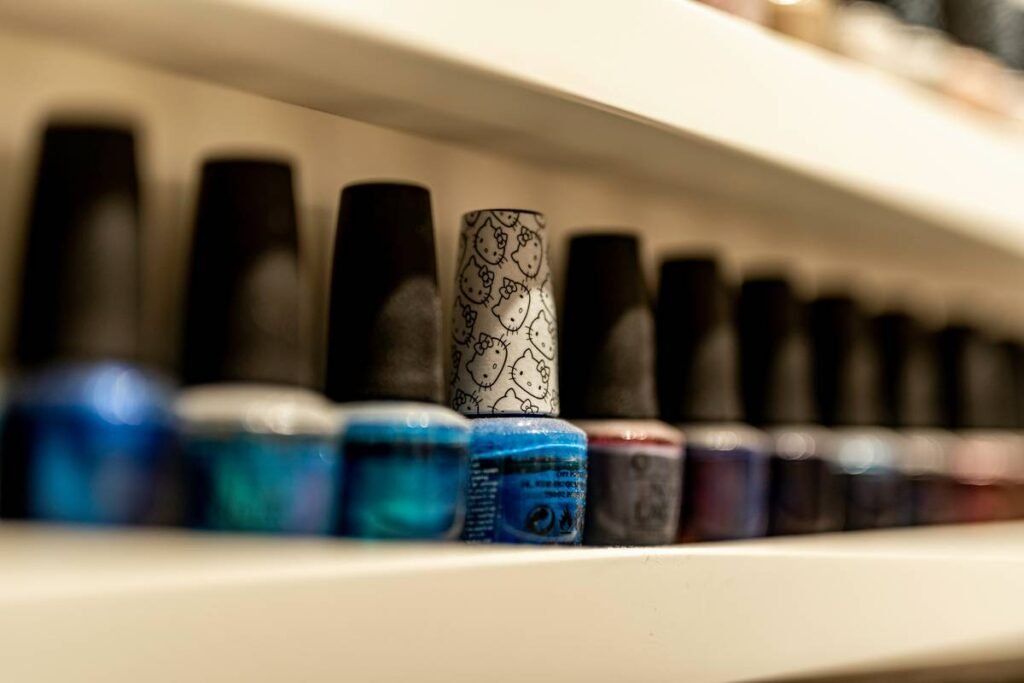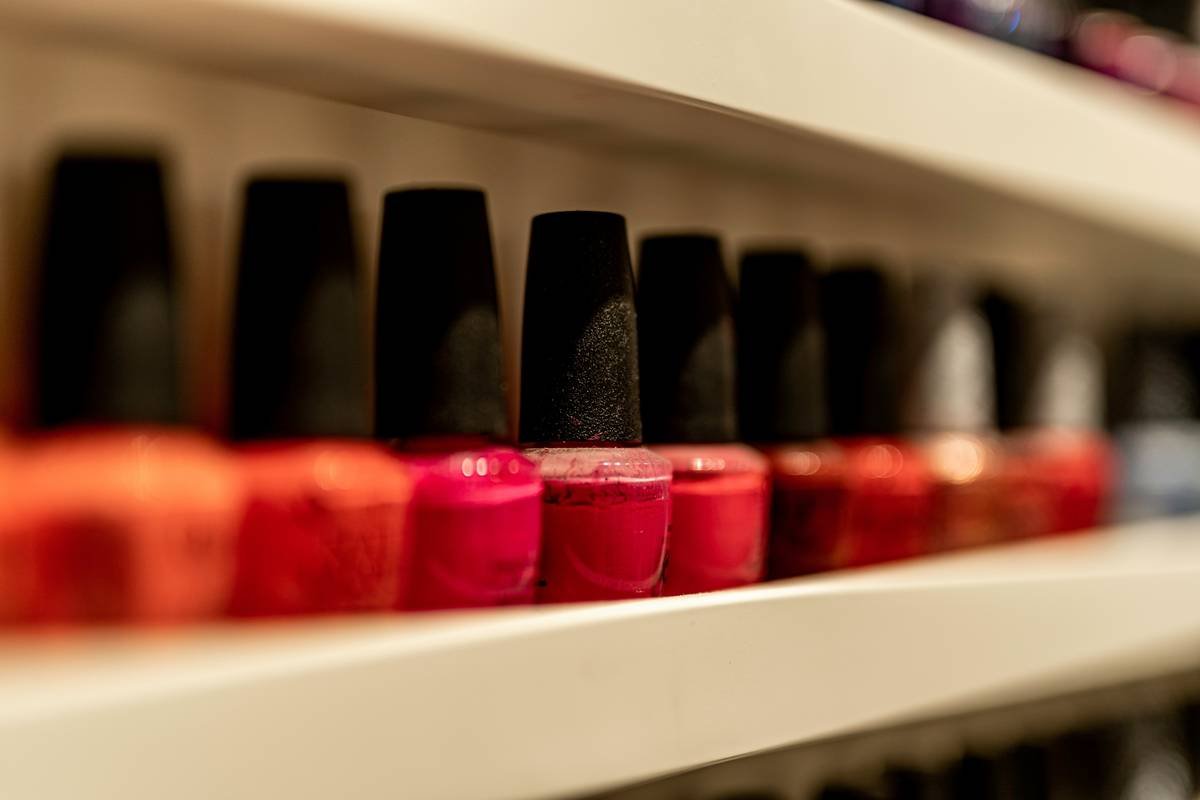
You’ve got 47 bottles of nail polish. They’re crammed in a drawer, stacked haphazardly on your vanity, or dumped in a makeup bag that smells faintly of acetone. Finding the right red for date night? Good luck. You waste minutes—maybe even hours—shaking, squinting, hoping. And half the time, you grab something close enough, not what you actually wanted. Enter the polish shade sorter: not just a container, but a precision system that turns chaos into curated color control.
Why Traditional Nail Polish Storage Fails Spectacularly
Most people toss their polishes into bins labeled “reds” or “neutrals.” Sounds logical—until you realize “nude” spans ten shades from beige to brown, and “blue” includes everything from icy frost to navy storm. Grouping by broad categories ignores nuance. Worse: bottles get lost behind others, labels peel off, and finishes (matte vs. metallic vs. holographic) get mixed up. You end up repurchasing shades you already own because you can’t find them. And yes—it happens more than you think.
The real issue isn’t space. It’s **visibility + specificity**. Without both, even a tiny collection becomes unmanageable.
Build Your Own polish shade sorter: A Step-by-Step System
Forget expensive acrylic towers or generic drawer dividers. What works is intentional segmentation based on three axes: hue, undertone, and finish. Here’s how to build one that actually functions:
Step 1: Audit & Eliminate
Pull every bottle out. Test each on a swatch card if the label’s gone. Toss anything dried out, separated beyond repair, or duplicates you’ll never use. Be ruthless. Fewer bottles = clearer organization.
Step 2: Map Your Hue Spectrum
Don’t default to ROYGBIV. Most polish collections cluster in reds, pinks, browns, and neutrals. Create your own spectrum based on what you own. For example: Coral → True Red → Berry → Plum → Mauve → Blush → Nude → Taupe → Espresso.
Step 3: Subdivide by Undertone & Finish
This is where amateurs stop—and pros begin. Within “nudes,” separate warm (yellow/peach undertones), cool (pink/ash), and neutral. Then split by finish: cream, shimmer, glitter, metallic, matte. Suddenly, finding your go-to warm taupe cream takes seconds—not minutes.
| Method | Cost | Visibility | Scalability | Time to Implement |
|---|---|---|---|---|
| Generic Drawer Bin | $5–$10 | Low (bottles stack) | Poor (chaos grows fast) | 5 minutes |
| Acrylic Tower | $25–$60 | Medium (front row only) | Fair (limited slots) | 30 minutes |
| Custom polish shade sorter | $8–$20 (using modular boxes) | High (all bottles visible) | Excellent (expandable) | 60–90 minutes |
Step 4: Choose the Right Container
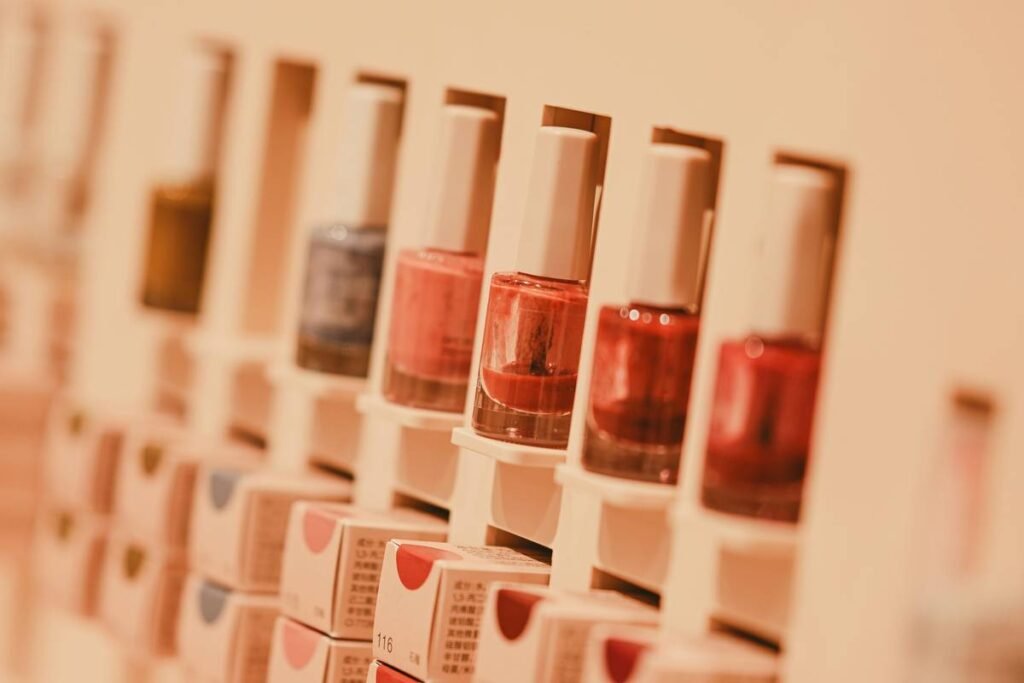
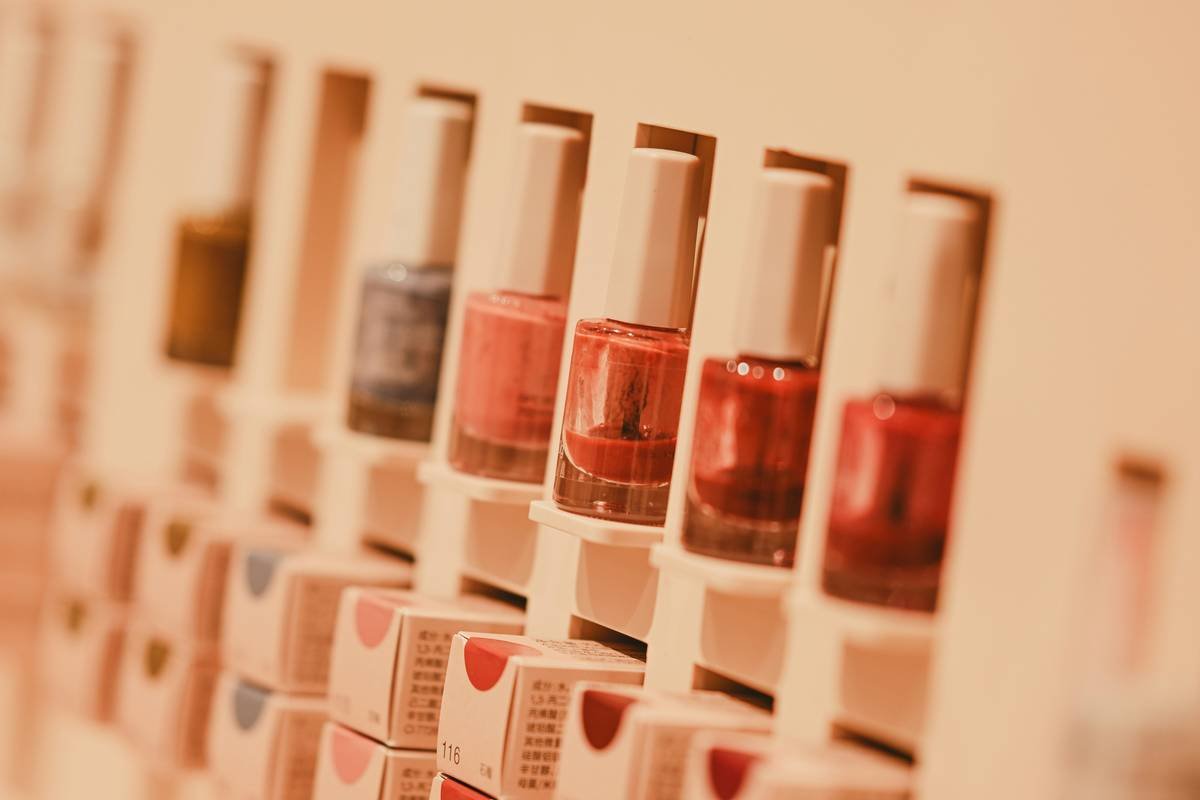
Modular storage boxes (like those from Muji or even repurposed spice racks) work better than fixed-acrylic units. They let you adjust compartment width for chunky glitter pots or narrow stamping polishes. Line them with non-slip fabric so bottles don’t slide.
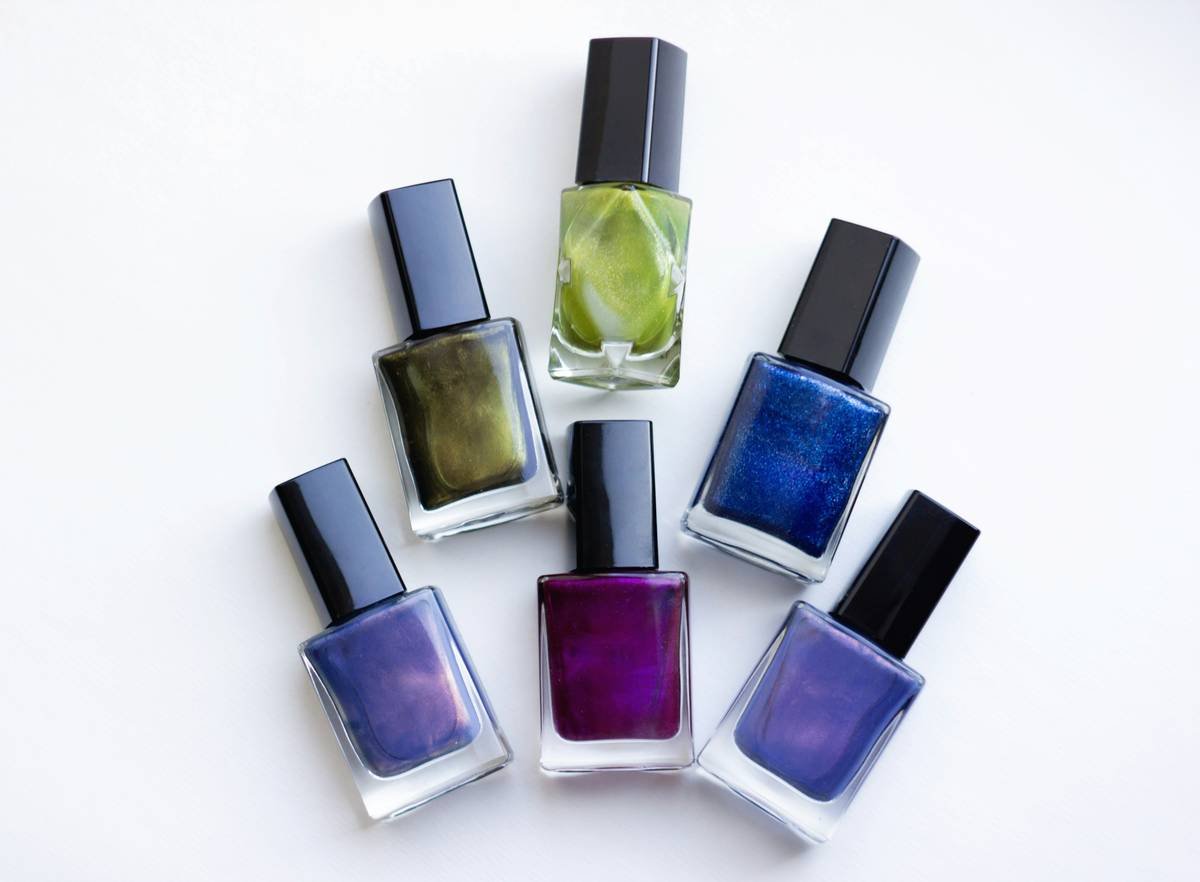
The Industry Secret: Pros Don’t Sort by Name—They Sort by Light
Here’s what no beauty blogger tells you: salon artists organize polishes based on **how they react under different lighting**. A shade that looks perfect in daylight may turn muddy under LED bulbs. So instead of grouping “blush pinks,” they group “daylight-true pinks” vs. “warm-bulb enhancers.” Try this: place your sorted polishes near your usual lighting setup (vanity mirror, bathroom, etc.). Rearrange any that shift unpredictably. This subtle tweak prevents mismatched manicures and wasted product. It’s not about the bottle—it’s about how the color lives on your nail in real life.
Frequently Asked Questions
What’s the best way to label a polish shade sorter?
Use removable chalkboard labels or washi tape with fine-tip marker. Avoid permanent ink—you’ll want to reassign compartments as your collection evolves.
Can I make a polish shade sorter without buying anything?
Absolutely. Clean out mint tins, matchboxes, or even egg cartons. Cut dividers from cardboard. The system matters more than the container.
How often should I reorganize my polish collection?
Every 3 months—or after every 5 new purchases. Collections drift. Staying current prevents buildup of “ghost bottles” you forget you own.