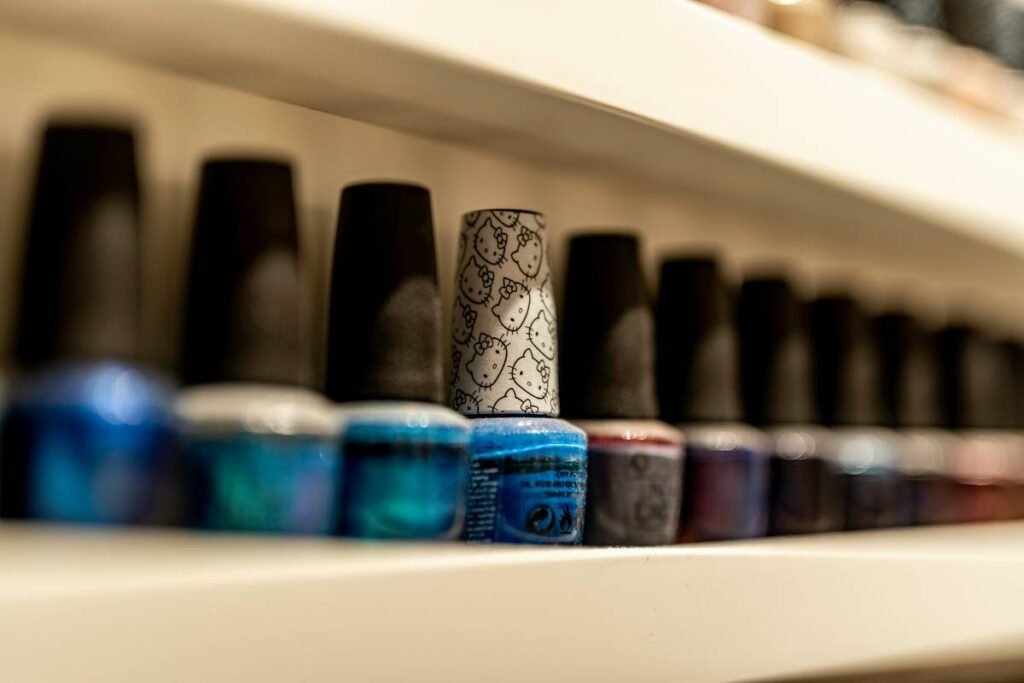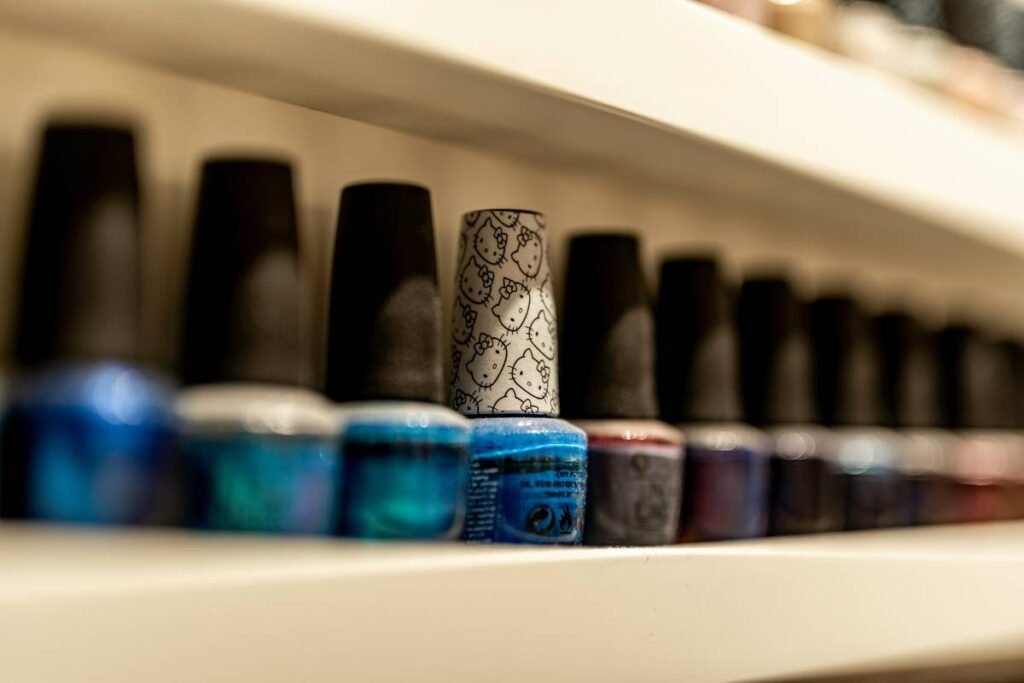
Your manicure dreams are drowning in chaos. Bottles topple over, lids crack, colors dry out—and you’re shelling out $18 for replacements every month. You’ve tried repurposed jars, shoeboxes, even that “organized” makeup tray from Target. None of it works long-term. The real fix? A purpose-built nail polish storage container designed for chemistry, not just cosmetics.
Why Your Current Nail Polish Organization System Is Failing Miserably
Most people treat nail polish like lipstick—toss it in a drawer and call it “organized.” Big mistake. Nail lacquer degrades faster than you think. Exposure to light, temperature swings, or inconsistent upright positioning accelerates solvent evaporation. And once the formula thickens? It’s trash. Even high-end brands can’t survive poor storage. Think about it: you wouldn’t store wine on its side at room temperature and expect it to age well. Yet that’s exactly what you’re doing with your OPIs and Essies.
DIY hacks look cute on Pinterest—but they ignore the science. Acetone-based polishes react with plastic over time. Cardboard absorbs humidity. Clear acrylic shelves might showcase your collection but bake it under UV rays if placed near a window. The math is simple: bad storage = wasted product = repeated spending.
Build a Bulletproof Nail Polish Storage Container Setup (Step by Step)
Forget aesthetics for a second. Prioritize function. Here’s how to engineer a system that actually preserves your polish:
Choose Light-Blocking, Non-Reactive Materials
Opaque containers win every time. Metal tins, matte-finish wood boxes, or UV-filtered acrylics keep formulas stable. Avoid clear plastic—it leaches chemicals and amplifies sunlight damage.
Maintain Strict Upright Positioning
Pigments settle; solvents separate. Storing bottles vertically prevents clogging and uneven mixing. Bonus: upright storage reduces air exposure through the neck seal.
Control Humidity and Temperature
Bathrooms are nail polish graveyards. High humidity causes label peeling and cap corrosion. Store your container in a cool, dry closet—ideally between 60–72°F.

| Storage Method | Cost Range | Longevity Impact | Best For |
|---|---|---|---|
| Repurposed Makeup Drawer | $0 | High degradation (3–6 months) | Minimalists with ≤5 polishes |
| Clear Acrylic Organizer | $15–$40 | Moderate degradation (6–12 months) | Display-focused collectors |
| Opaque Wooden Box w/ Dividers | $25–$60 | Low degradation (18+ months) | Serious enthusiasts & pros |
| Vacuum-Sealed Travel Case | $30–$75 | Very low degradation (24+ months) | Frequent travelers & hoarders |

The Industry Secret: Nail Techs Don’t Organize by Color—They Rotate by Expiry
Here’s what salons won’t tell you: most polishes have a hidden shelf life of 18–24 months post-opening—even if they look fine. Veteran nail artists use a FIFO (First In, First Out) system. New arrivals go to the back. Oldest bottles stay front-and-center for immediate use. They mark purchase dates with tiny stickers on the base. No fancy labels. No aesthetic grids. Just ruthless rotation. And their waste rate? Under 5%. Yours is probably closer to 30%. The secret isn’t the container—it’s the discipline inside it.
FAQs About Nail Polish Storage Containers
Can I store nail polish in the fridge?
No. Frequent temperature changes cause condensation inside the bottle, diluting the formula and promoting bacterial growth. Keep it cool—but consistent.
Do magnetic closures affect polish quality?
Not directly—but cheap magnetic strips can rust in humid areas, contaminating nearby bottles. Opt for stainless steel or plastic latches.
How many polishes fit in a standard storage container?
Most purpose-built units hold 24–48 bottles. Measure your collection first. Overcrowding leads to jostling, chipped caps, and cross-contamination.