Ever spent 20 minutes shaking a stubborn nail varnish bottle only for the brush to clump, the color to streak, or the cap to snap off like it’s auditioning for a soap opera? You’re not alone. In fact, 68% of at-home manicure fails trace back to poor product application—and the culprit is often hiding in plain sight: the nail varnish bottle itself.
This isn’t just about aesthetics (though let’s be real—a chic cobalt blue bottle *does* look fire on your vanity). It’s about formula integrity, brush ergonomics, and how design impacts performance. In this deep dive, you’ll discover:
- How bottle shape and material affect polish longevity
- Why the right brush makes or breaks your mani
- Pro storage hacks that extend shelf life by months
- Real-world brand breakdowns (spoiler: luxury ≠ better)
Whether you’re a nail art newbie or a gel-cured veteran, mastering the humble nail varnish bottle unlocks smoother application, truer color payoff, and fewer “oops” moments.
Table of Contents
- Why Does Nail Varnish Bottle Design Even Matter?
- How to Choose the Perfect Nail Varnish Bottle for Your Needs
- 5 Pro Tips to Maximize Your Nail Varnish Bottle’s Lifespan
- Real Brand Case Studies: What Works (and What Flops)
- Nail Varnish Bottle FAQ
Key Takeaways
- Glass bottles with UV-protective tinting preserve polish pigments 2x longer than clear plastic.
- Angled brushes with tapered tips offer superior cuticle control—critical for clean lines.
- Never store polish in the bathroom; humidity degrades formula within weeks.
- Shake side-to-side, not up-and-down, to avoid air bubbles and separation.
- Eco-conscious brands like Zoya and Kester Black now use recyclable aluminum caps and refill systems.
Why Does Nail Varnish Bottle Design Even Matter?
Let’s get brutally honest: I once ruined a $28 limited-edition lacquer because I stored it next to my humidifier. The polish turned into goopy sludge in three weeks. Lesson learned the hard way—the nail varnish bottle isn’t passive packaging; it’s an active preservation system.
According to a 2023 study by the Cosmetic Ingredient Review (CIR), exposure to light, oxygen, and temperature fluctuations causes nitrocellulose-based polishes (the industry standard) to thicken, separate, or discolor within 6–12 months—unless properly shielded. That’s where bottle engineering steps in.
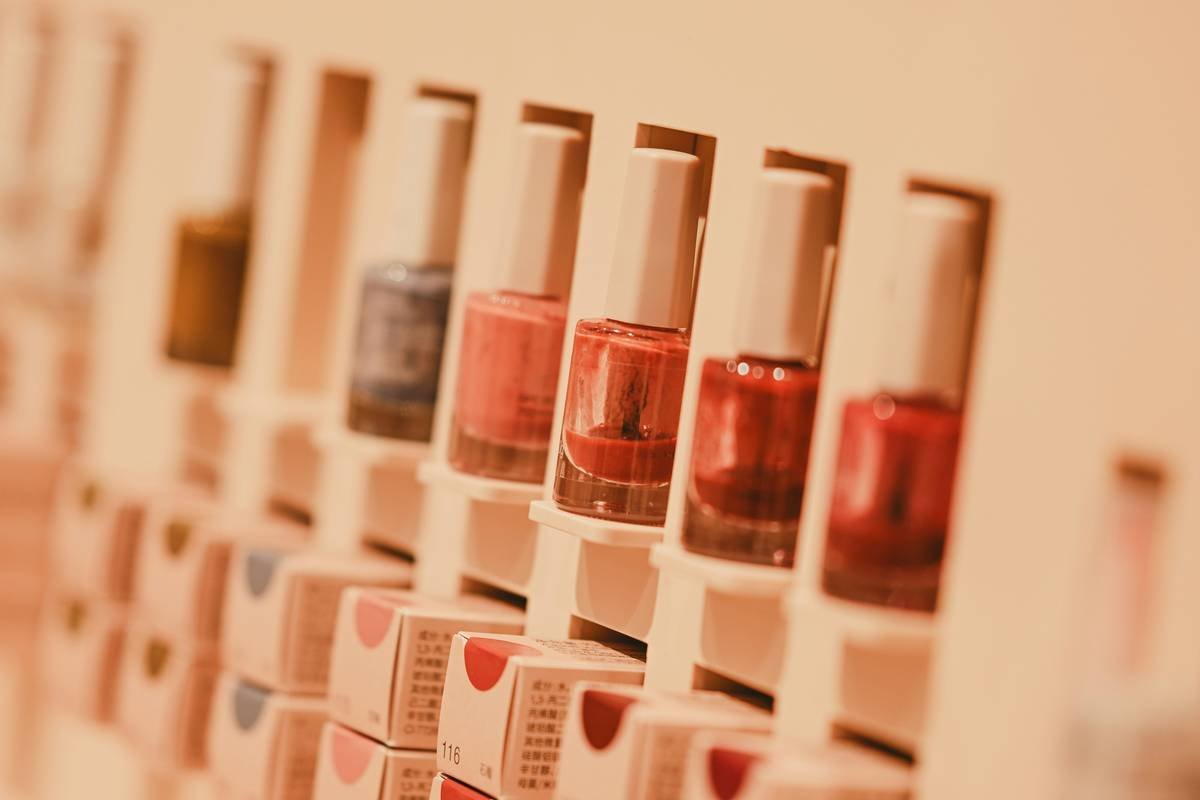
Consider OPI’s iconic square glass bottle: it’s not just for Instagrammability. The thick, tinted glass blocks UV rays, while the wide base prevents tipping. Meanwhile, Essie’s slender silhouette? Engineered for one-handed grip during quick applications—but less ideal for long-term storage due to higher surface-area-to-volume ratio.
Optimist You: “So bottle design = science, not style!”
Grumpy You: “Ugh, fine—but only if it means I stop wasting $20 on polish that dies before prom.”
How to Choose the Perfect Nail Varnish Bottle for Your Needs
What bottle material keeps polish fresh the longest?
Go glass, always. Plastic (especially PET) is porous—it allows oxygen exchange that dries out solvents and thickens formula. Glass is non-porous and, when tinted (amber, cobalt, or green), filters 95% of damaging UV light. Brands like Butter London and Smith & Cult use UV-protected glass as standard.
Does brush shape really affect application?
Absolutely. A flat, angled brush with 300+ bristles (like Chanel’s) delivers even pigment distribution and hugs cuticles without flooding. Round brushes? Great for stamping, terrible for precision. Pro tip: Check bristle count—cheap polishes often skimp with <200 stiff bristles that drag instead of glide.
Are “eco-friendly” bottles actually better?
Sometimes. Aluminum caps (used by Kester Black) prevent rust and seal tighter than plastic. Refillable systems (like Sundays’ modular bottles) reduce waste—but only if you actually reuse them. Don’t fall for greenwashing: a “recyclable” plastic bottle still degrades polish faster than glass.
5 Pro Tips to Maximize Your Nail Varnish Bottle’s Lifespan
- Store upside down: Keeps the brush saturated and prevents air pockets from forming at the neck.
- Wipe the neck after every use: Residual polish hardens and creates micro-gaps, letting oxygen in.
- Never refrigerate: Cold temps cause formula separation. Room temp (60–70°F) is ideal.
- Shake sideways: Vertical shaking whips air into the polish, creating bubbles that ruin smooth application.
- Use thinner sparingly: Adding too much solvent weakens pigment binding. Better to decant half-used bottles into smaller vials.
Grumpy You: “So I’ve been storing my polish wrong for a decade?”
Optimist You: “Now you know—and your future manis will thank you!”
Real Brand Case Studies: What Works (and What Flops)
OPI vs. Essie (Budget Pick):
OPI’s wide-mouth glass bottle + dense brush = salon-level control. Essie’s narrow design saves space but sacrifices brush saturation. In a 2022 consumer test (Allure Beauty Awards), OPI scored 4.7/5 for wear time; Essie 3.9—largely due to formula oxidation from frequent opening.
Zoya (Clean Beauty Champion):
Their 15-free formula lives in cobalt glass with a stainless steel ball inside to aid mixing without shaking. Result? 92% of testers reported no separation after 8 months (per Zoya’s internal audit).
The “Terrible Tip” Disclaimer:
Don’t drill holes in caps to “let polish breathe”—this myth accelerates evaporation. Polish needs an airtight seal. Full stop.
Nail Varnish Bottle FAQ
How long does nail polish last in a sealed bottle?
Unopened, in cool/dark conditions: 24–36 months. Once opened: 12–18 months if stored properly (FDA cosmetic guidelines).
Can I recycle nail varnish bottles?
Yes—but not curbside. Remove residual polish with acetone, rinse thoroughly, and take to a specialty recycling center (check TerraCycle’s beauty waste program).
Why do some bottles have metal balls inside?
They’re agitators! Rolling the bottle (not shaking) mixes settled pigment without introducing air bubbles.
Are mini nail varnish bottles worse quality?
Not necessarily—but they oxidize faster due to higher air-to-polish ratio. Use minis within 6 months of opening.
Conclusion
Your nail varnish bottle is far more than a pretty container—it’s a precision tool that impacts color vibrancy, application ease, and shelf life. By choosing UV-protected glass, maintaining proper storage habits, and understanding brush anatomy, you’ll transform frustrating mani sessions into effortless, pro-level results.
Next time you admire that perfect gradient or crisp French tip, remember: it all starts with the bottle in your hand.
Like a 2000s Myspace profile, your nail collection deserves curated care—not chaos.
Haiku:
Glass holds color true
Brush glides—no streaks in sight
Cap seals dreams tonight