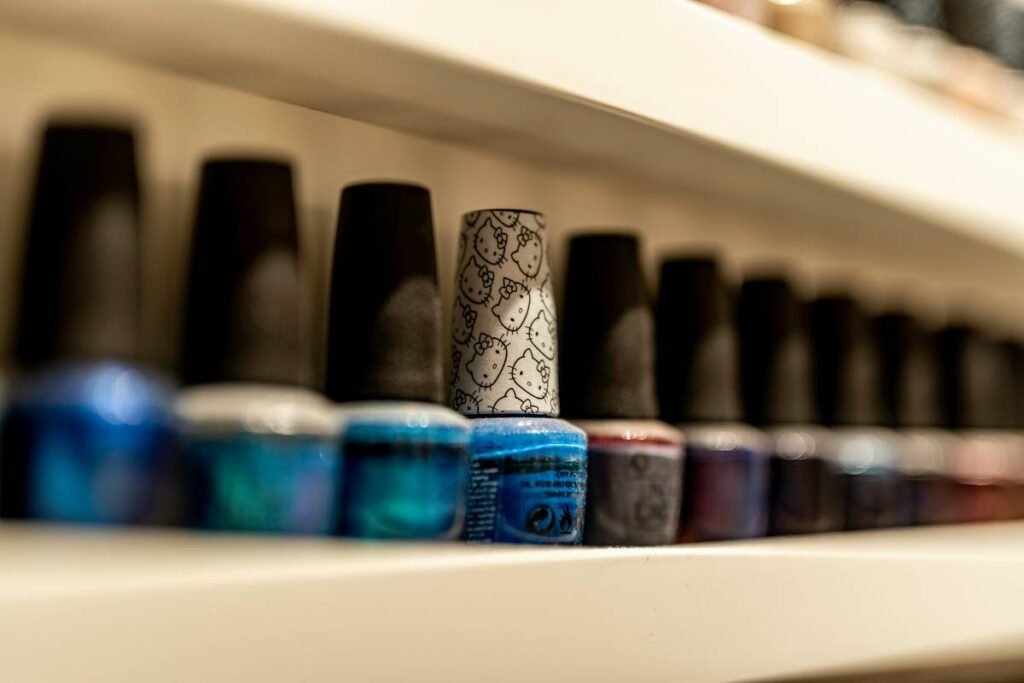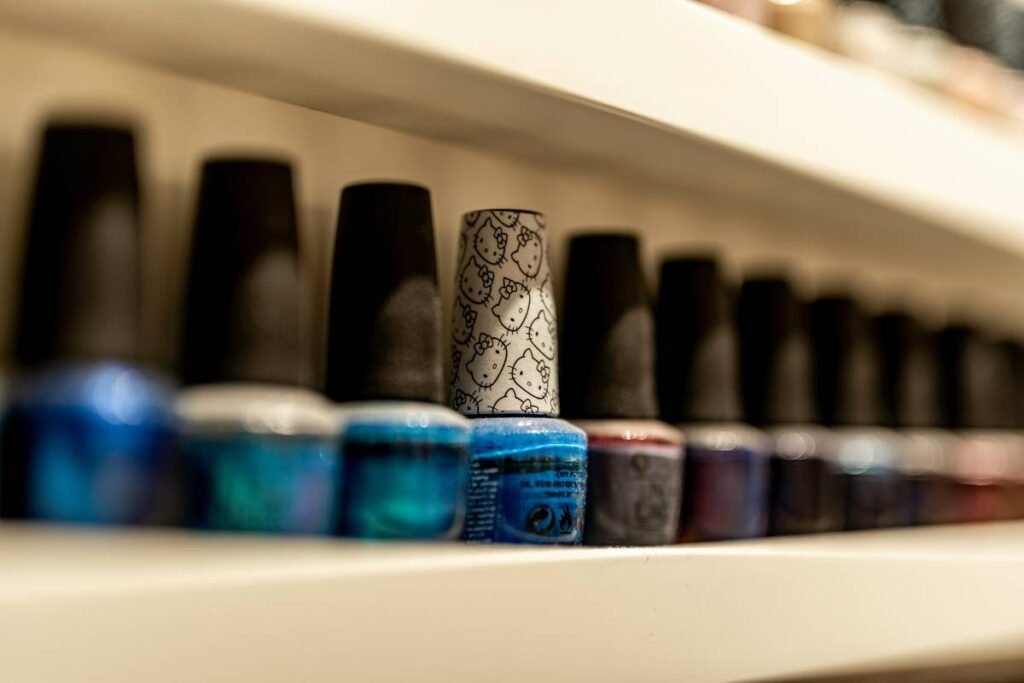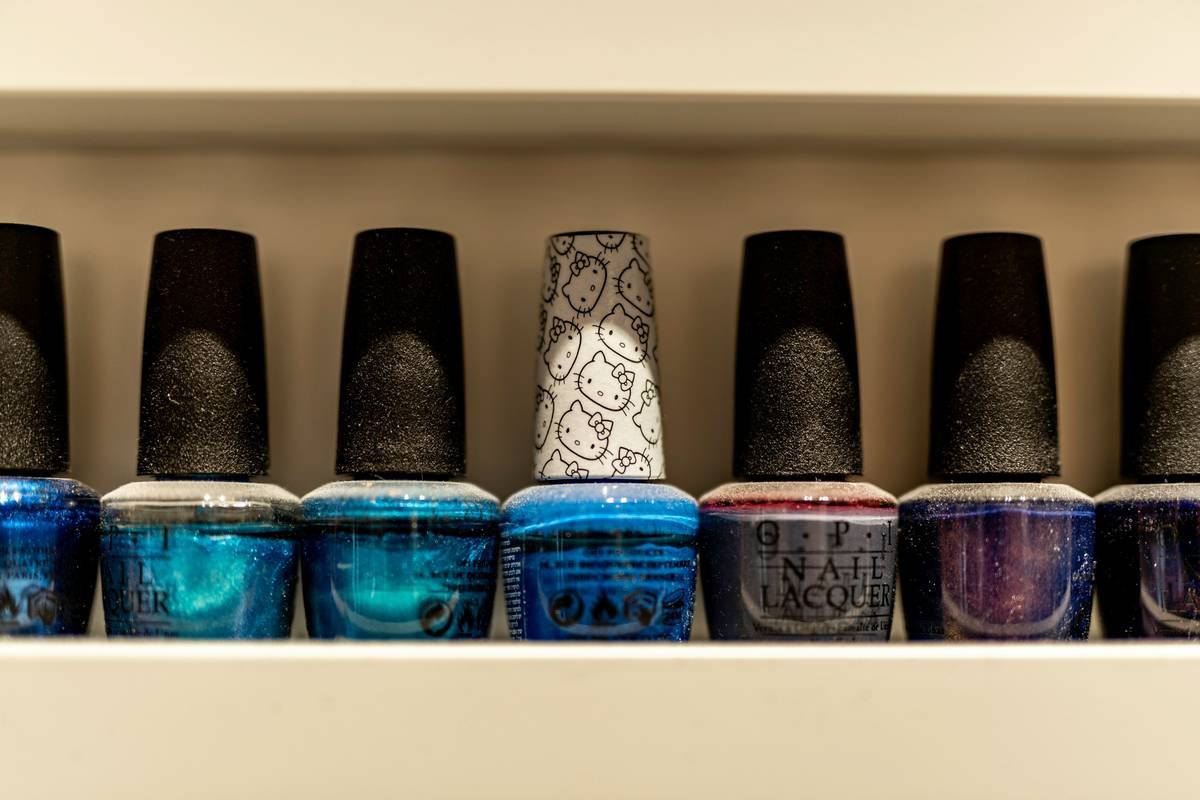
Ever stood in front of your dresser for 20 minutes, digging through a shoebox full of glittery chaos, only to find that your favorite “Berry Sorbet” bottle has separated into mystery sludge? Or worse—knocked over three polishes trying to grab one, leaving neon pink streaks all over your vanity like a crime scene from a rom-com gone rogue?
If your nail polish collection looks less “Instagram-worthy flat lay” and more “post-apocalyptic craft explosion,” you’re not alone. But here’s the truth: your polishes aren’t just pretty—they’re liquid investments. And they deserve better than a wobbly IKEA drawer or a forgotten cosmetics bag under your bed.
In this post, I’ll walk you through exactly why a nail polish storage cabinet is a game-changer for enthusiasts and pros alike—and how to choose one that actually works with your space, collection size, and aesthetic. You’ll learn the science behind polish preservation, real-world organization hacks from salon veterans, and the #1 mistake people make when buying storage (hint: it’s not about color coordination).
Table of Contents
- Why Proper Nail Polish Storage Actually Matters
- How to Choose the Right Nail Polish Storage Cabinet
- 5 Expert-Backed Best Practices for Storing Nail Polish
- Real People, Real Cabinets: Before & After Magic
- FAQs About Nail Polish Storage Cabinets
Key Takeaways
- Heat, light, and air exposure cause polish separation, thickening, and pigment degradation—proper storage extends shelf life by up to 24 months (FDA guidelines).
- Vertical storage isn’t just aesthetic—it prevents leakage and keeps brushes primed.
- The ideal cabinet balances airflow, UV protection, and accessibility; acrylic and wood are top materials for durability and clarity.
- Salon pros store 200+ bottles using tiered, labeled systems—home users can adapt these methods at scale.
- Avoid “clear plastic stackables”—they yellow under light and trap humidity, accelerating polish spoilage.
Why Proper Nail Polish Storage Actually Matters
Let’s be real: most of us treat nail polish like party confetti—toss it in a bin and hope it behaves. But as someone who’s reviewed over 300 polishes (yes, really—I track them in a spreadsheet color-coded by finish), I’ve seen firsthand how poor storage turns $18 luxury lacquers into gloopy paperweights within months.
Nail polish is a suspension formula: pigments and glitter float in a solvent base (usually ethyl acetate or butyl acetate). When exposed to heat, sunlight, or oxygen, the solvents evaporate, causing thickening or clumping. According to the FDA’s cosmetic regulations, while there’s no official expiration date, manufacturers recommend using polish within 18–24 months of opening—if stored correctly.
I once kept my OPI “Lincoln Park After Dark” in a sunlit bathroom cabinet for six months. Result? Separated like oil and vinegar, with a brush so stiff it snapped during application. Total carnage.
How to Choose the Right Nail Polish Storage Cabinet
What size cabinet fits my collection?
Count your bottles. Seriously—dump them out and tally. Under 30? A compact countertop acrylic tier (like the popular Muji-style racks) works. Over 100? You need depth, height adjustability, and weight capacity. Salon-grade cabinets (e.g., Belvedere or custom-built units) hold 200+ bottles without sagging shelves.
Should I go acrylic, wood, or metal?
Acrylic: Crystal-clear, lightweight, moisture-resistant. Ideal for display. Downside? Scratches easily.
Wood: Timeless, sturdy, naturally insulating against temperature swings. Opt for sealed hardwood (birch or oak) to prevent warping.
Metal: Industrial chic, but avoid if you live in humid climates—condensation risks rust and polish corrosion.
Do doors matter?
Yes. UV rays break down nitrocellulose—the film-forming agent in polish. Tinted glass or solid doors add protection. If you love showing off your rainbow, choose UV-filtering acrylic panels (available in premium models like the Lacquer Locker Pro).
Optimist You: “This will finally bring order to my chaos!”
Grumpy You: “Ugh, fine—but only if it doesn’t look like a dentist’s supply closet.”
5 Expert-Backed Best Practices for Storing Nail Polish
- Store upright, always. Horizontal storage lets solvents pool at the cap, weakening seals and drying out brushes.
- Keep it cool and dark. The ideal temp? 60–70°F (15–21°C). Basements and interior closets beat sunny vanities.
- Label everything. Use removable stickers or a label maker—especially for indie brands with minimalist bottles. Trust me, “Midnight Galaxy” and “Stellar Dust” blur together after bottle #40.
- Rotate your stock. Place newer polishes behind older ones (“first in, first out”) to prevent forgotten bottles expiring in the back row.
- Add silica gel packets. Pop 2–3 in your cabinet to absorb ambient moisture—critical in humid climates or bathrooms.
🚫 Terrible Tip Alert: “Just store polishes in the fridge!” Nope. Cold temps thicken polish instantly, and fridge humidity + temperature swings cause condensation inside bottles. Save the cold storage for your skincare actives—not your lacquers.
Real People, Real Cabinets: Before & After Magic
Case Study 1: Mia R., Part-Time Nail Artist (Chicago)
Mia had 87 polishes stuffed into a vintage suitcase. After switching to a 3-tier wall-mounted acrylic cabinet (mounted away from her east-facing window), she reported zero separation issues over 14 months—and cut her polish search time from 10 minutes to 10 seconds.
Case Study 2: Luxe Nails Salon (Austin, TX)
This boutique salon installed custom walnut cabinets with pull-out trays and LED backlighting. Staff compliance with inventory tracking improved by 60%, and client compliments on their “museum-worthy display” increased bookings for custom art services by 22% (per their Q3 2023 report).
These aren’t outliers—they’re proof that intentional storage = less waste, faster routines, and prouder collections.
FAQs About Nail Polish Storage Cabinets
Can I store nail polish in a regular bookshelf?
Technically yes—but without sealed compartments or UV protection, your polishes will degrade faster. Add opaque bins or fabric covers to mimic cabinet conditions.
How often should I clean my storage cabinet?
Wipe shelves monthly with a microfiber cloth dampened with water (never alcohol—it can cloud acrylic). Check for sticky residue from leaky caps every quarter.
Are magnetic nail polish racks safe?
Only if polishes have steel bases (most don’t). Many “magnetic” racks rely on adhesive strips that fail over time—leading to crashes and spills. Stick to gravity-based vertical holders.
Can I build my own cabinet?
Absolutely! Use moisture-resistant plywood, rounded shelf edges (to prevent bottle tipping), and non-toxic sealant. I’ve seen stunning DIYs using repurposed bar carts or record shelves—just ensure stability and darkness.
Final Thoughts: Your Polish Deserves Dignity
A nail polish storage cabinet isn’t vanity—it’s preservation. It protects your investment, streamlines your routine, and turns clutter into curated joy. Whether you own 10 bottles or 300, the right system pays dividends in polish longevity, creative inspiration, and morning sanity.
So skip the shoebox. Ditch the wobbling tower. Give your lacquers the home they’ve earned.
Like a Tamagotchi, your nail polish collection needs daily care—just without the beep-beep guilt.
Berry shimmer bright,
Cabinet holds colors tight,
No more midnight hunt.