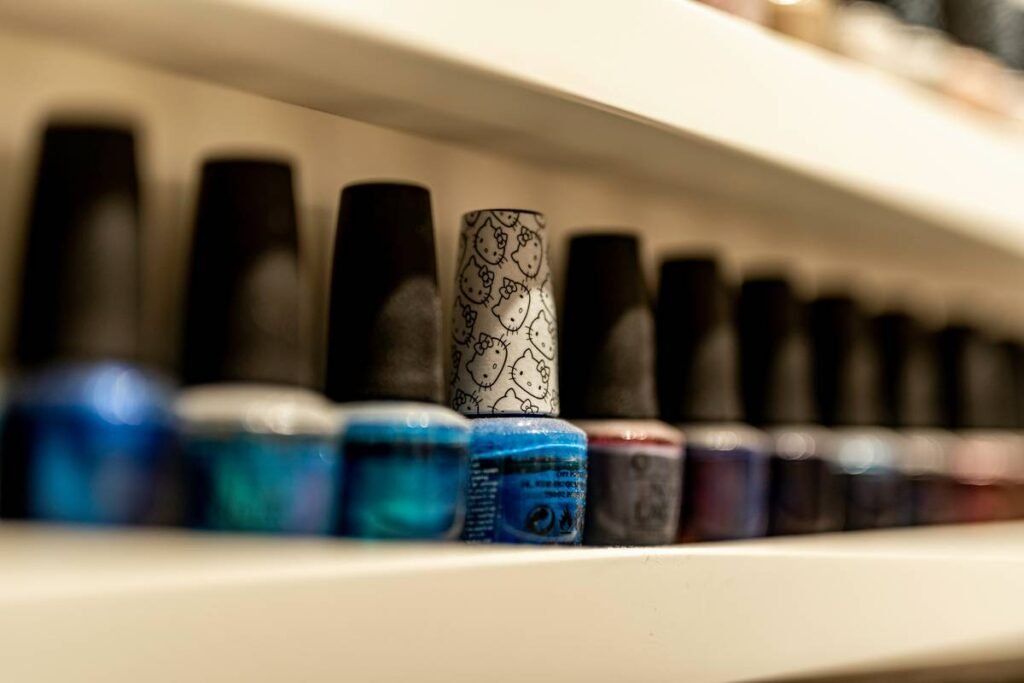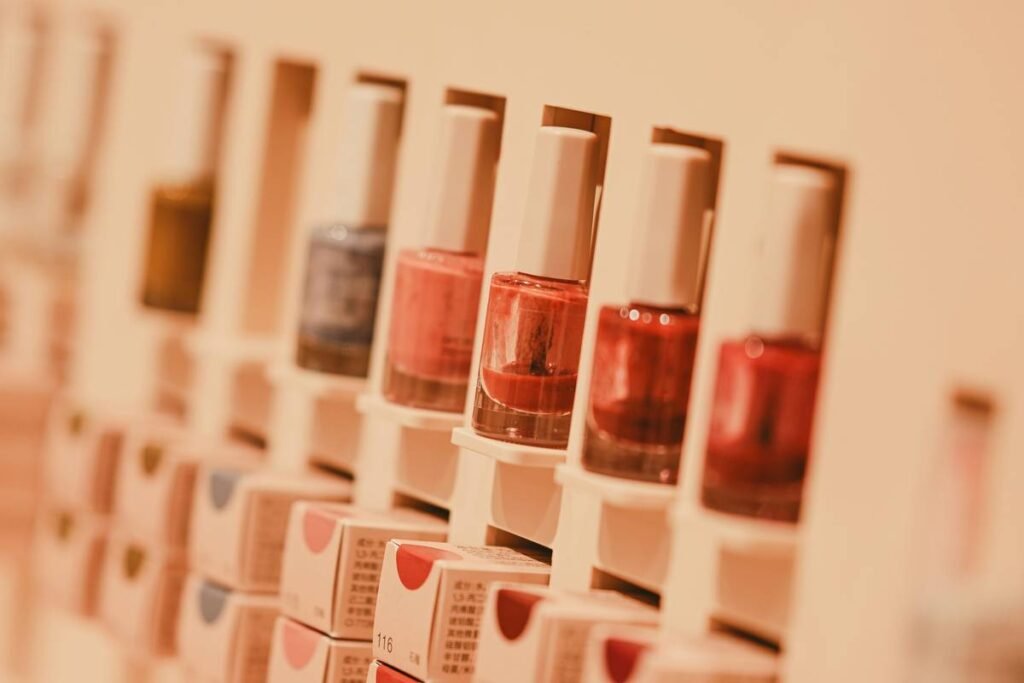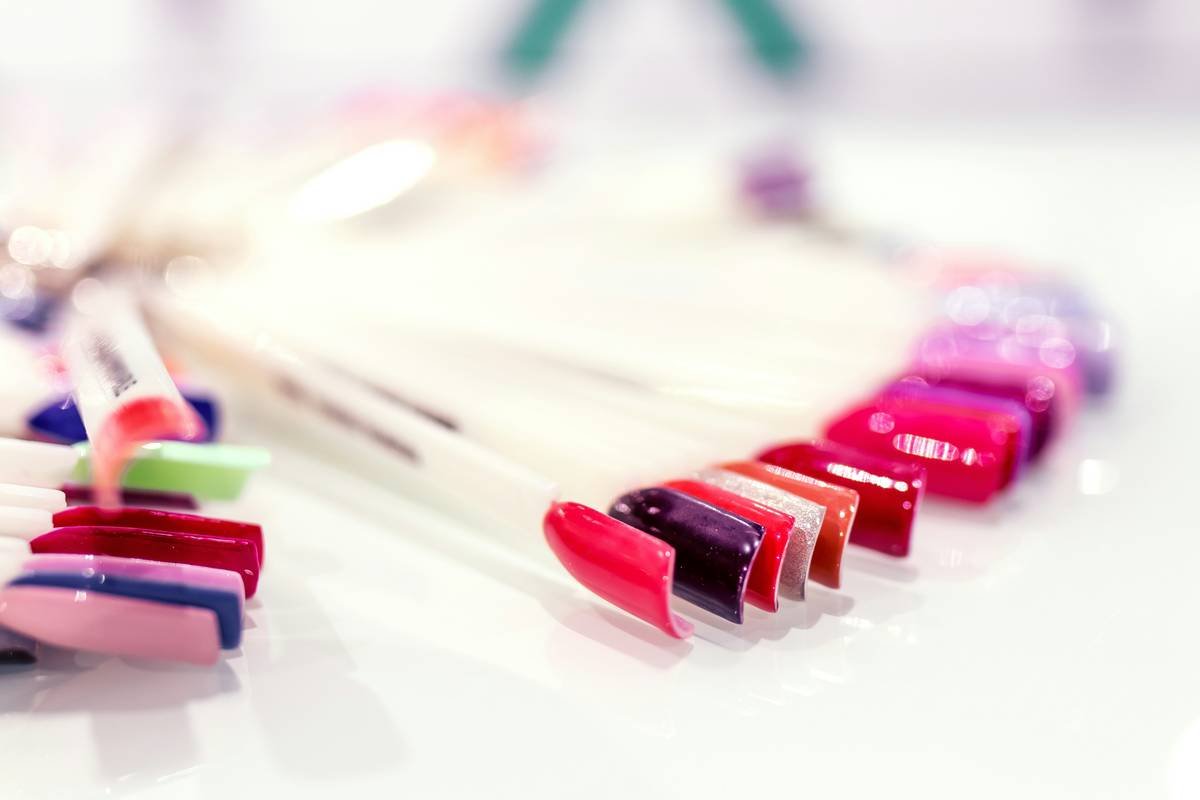
You’ve got 47 bottles of nail polish. Half are unopened. You still waste ten minutes every manicure night hunting for “that dusty rose.” Chaos isn’t cute. And it kills your creative flow. The fix? A deliberate, personalized nail hue arrangement system—not Pinterest-perfect shelves, but something that actually works when your hands are sticky with top coat.
Why Alphabetical or Rainbow Orders Fail Miserably
Sorting by color wheel looks gorgeous on Instagram—but real life isn’t curated. Lighting shifts how you perceive mauve versus lilac. Finish matters more than base pigment: a matte burgundy behaves nothing like its glossy twin. And seasonal rotation? Good luck remembering which “nude” flatters your winter skin if it’s buried behind spring pastels.
Most systems ignore *function*. They prioritize aesthetics over accessibility. You don’t need a museum display—you need to grab the right bottle in under five seconds.
Your Step-by-Step Nail Hue Arrangement System
Forget rigid rules. Build a hybrid method that adapts to your habits, collection size, and lighting conditions. Start here:
Group by Wear Frequency First
Divide polishes into three buckets: Daily Staples (neutrals, go-tos), Special Occasion (glitters, bolds), and Experimental (one-wear wonders). Store Daily Staples within arm’s reach—everything else can live farther away.
Sub-Sort by Undertone + Finish
Within each bucket, sort by undertone (cool, warm, neutral) then finish (creme, metallic, holographic). A cool-toned taupe creme won’t clash with a silver chrome if they’re grouped logically. This beats strict hue sequencing—which collapses under mixed finishes.
Label Strategically—Not Decoratively
Ditch tiny chalkboard tags. Use removable sticker dots in three colors: green for daily wear, purple for events, orange for experiments. Scan fast. Reassign as your preferences evolve.
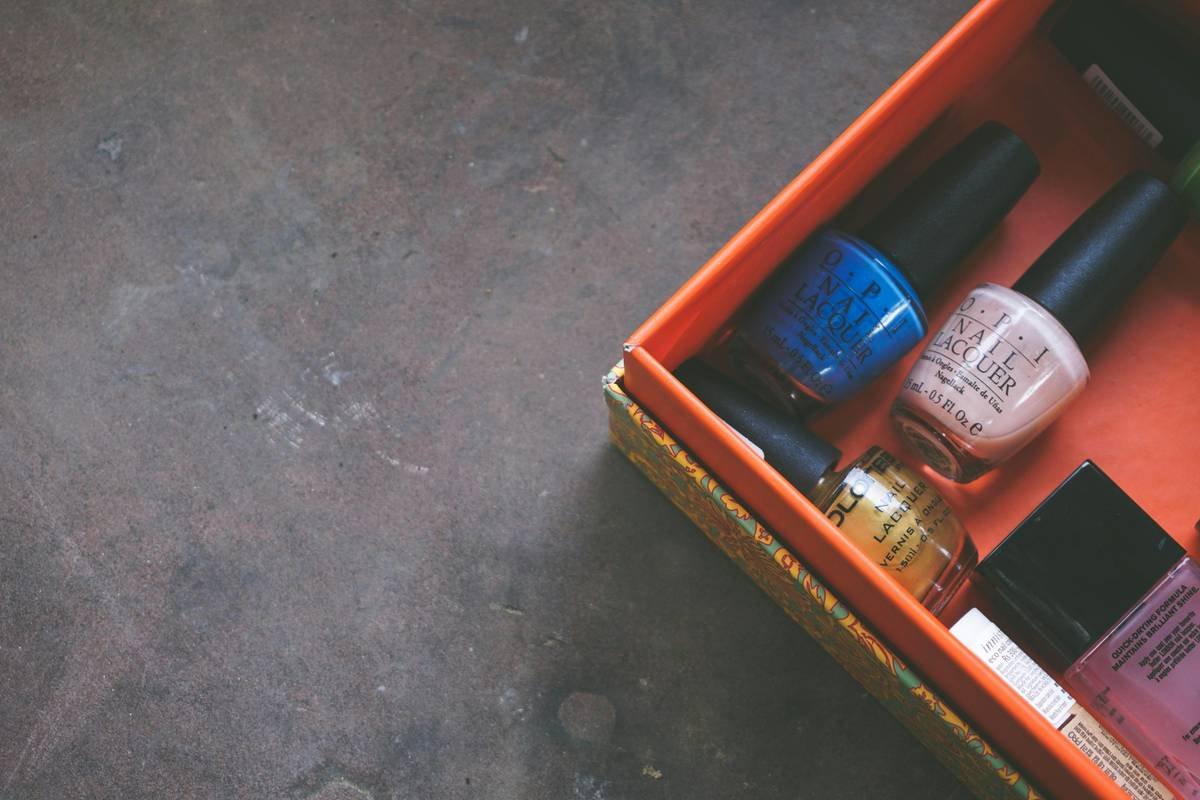
| Method | Time Investment | Best For | Pitfall |
|---|---|---|---|
| Rainbow Spectrum | Low setup | Collections under 15 bottles | Fails with duochromes/multichromes |
| Wear-Frequency + Undertone | Medium setup | 20+ bottles; active users | Requires honest self-audit |
| Brand-Based Grouping | Quick initial sort | Collectors, not users | Ignores actual usability |
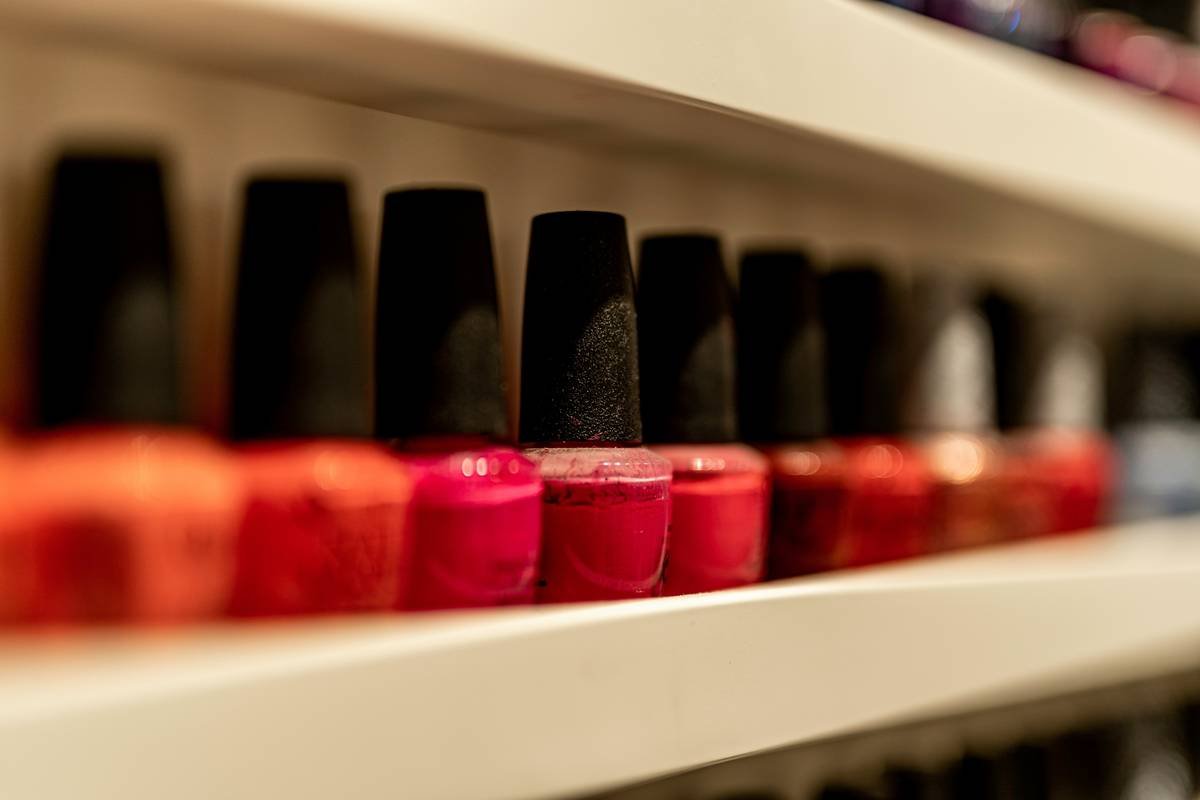
The Industry Secret: Finish Dictates Function—Not Just Color
Here’s what salon techs won’t tell you: two polishes sharing the same Pantone number can serve entirely different purposes based on finish alone. A satin navy is office-safe. That same navy in foil? Date-night statement. So stop organizing purely by RGB values.
Real-world example: A client kept misplacing her “perfect red”—until we moved all cremes into one tray, regardless of shade depth. She found it instantly because texture narrowed the search field faster than hue ever could. The math is simple: your eyes detect sheen before subtle tone shifts. Leverage that.
And yes—this means your duochrome mermaid teal belongs closer to metallics than to watery blues. Fight me.
Frequently Asked Questions
How often should I reorganize my nail polish collection?
Every 3 months—or after buying 5+ new bottles. Your preferences shift. So should your arrangement.
Can I combine open and unopened polishes in the same system?
Absolutely. But mark unopened bottles with a discreet dot. Prevents accidental double buys and reminds you what’s waiting.
What if I have very limited space?
Prioritize vertical stacking with clear acrylic risers. Group only by frequency—skip undertones. Survival > perfection.