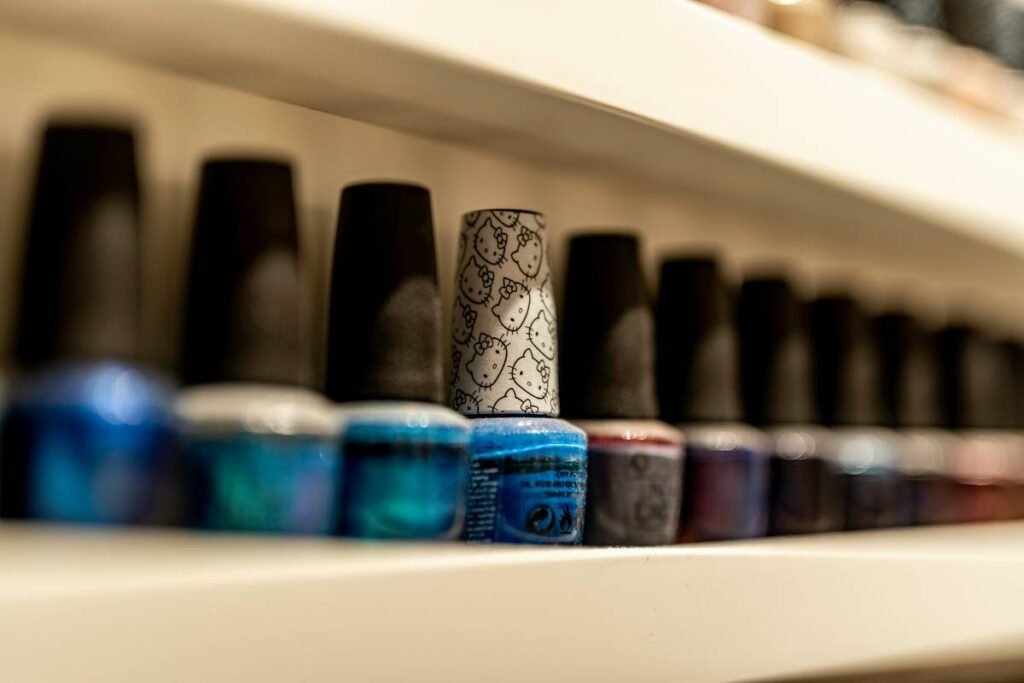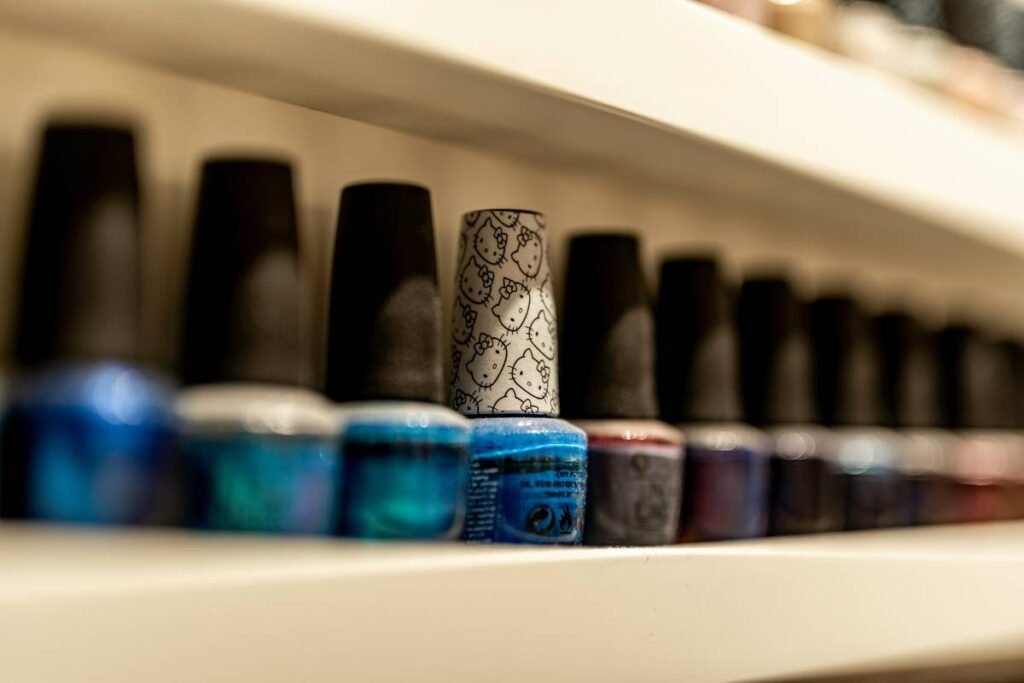
You’ve got 47 bottles of polish. Gorgeous reds, iridescent glitters, matte pastels. But they’re crammed in a drawer—tipped over, dried out, labels peeling. You spend ten minutes hunting for that perfect mauve before giving up and grabbing the same old nude. Chaos isn’t cute—and it’s costing you money. Enter the manicure storage unit: not just a shelf, but your polish’s lifeline.
The Hidden Cost of “Good Enough” Nail Polish Organization
Most people shove bottles into spice racks or repurpose makeup organizers. It looks tidy—until it doesn’t. Nail polishes aren’t lipstick. They demand upright positioning to prevent pigment separation and solvent evaporation. Store them sideways? You’re inviting clumps, clogs, and wasted product.
And humidity matters more than you think. Bathroom cabinets seem convenient—but steam from showers degrades formulas faster than sunlight. A true manicure storage unit controls microclimate, not just clutter.
How to Build a Nail Polish Sanctuary That Actually Works
Step 1: Audit Your Collection Ruthlessly
Toss anything older than two years—or any bottle with a gritty texture or odd smell. Yes, even that limited-edition shade. Keeping expired polish ruins the integrity of your entire setup.
Step 2: Choose Materials That Protect, Not Just Display
Glass looks luxe but offers zero UV protection. Opaque acrylic or powder-coated metal blocks light without sacrificing visibility. And skip open shelving—dust settles fast on bottle necks, gumming up lids.
Step 3: Prioritize Function Over Aesthetics
A rotating carousel might look Insta-worthy, but if it forces bottles to lean, it’s useless. Opt for modular trays with individual vertical slots. Adjustable dividers let you accommodate both standard and jumbo bottles (looking at you, indie brands).

| Storage Method | Cost Range | Polish Longevity Impact | Ideal For |
|---|---|---|---|
| Dedicated manicure storage unit (UV-protected, ventilated) | $60–$200 | Extends life by 18–24 months | Serious collectors & pros |
| Repurposed spice rack | $10–$25 | Reduces life by 30% (bottles tip) | Under 15 polishes |
| Bathroom vanity drawer | $0 | Catastrophic (heat + moisture) | No one—just don’t |
| Clear acrylic organizer (open front) | $20–$50 | Moderate degradation (UV exposure) | Casual users with <20 bottles |

The Industry Secret: Salon Pros Don’t Organize by Color—They Organize by Chemistry
Here’s what no brand tells you: gel polishes, quick-dry lacquers, and water-based formulas all react differently to temperature shifts. Storing them together—even upright—creates cross-contamination risks through airborne solvents. Elite nail techs segment their manicure storage unit into zones: one for traditional lacquers (cooler, darker), another for gels (stable ambient temp), and a sealed section for experimental or natural polishes prone to bacterial growth. The math is simple—better zoning equals fewer ruined bottles.
But most retail units ignore this. So retrofit yours: use small silica packs in gel zones, and never place citrus-scented polishes next to formaldehyde-free ones—they accelerate oxidation. Think about it: your storage isn’t just real estate. It’s a preservation ecosystem.
Frequently Asked Questions
Can I store nail polish in a fridge?
Only if it’s a dedicated mini-fridge with stable temps (not your kitchen one). Household fridges cause condensation when bottles are removed—leading to water contamination. A climate-controlled manicure storage unit is safer.
How many bottles should a home manicure storage unit hold?
Aim for 20–30% extra capacity. If you own 25 polishes, get a unit that fits 35. This prevents overcrowding and allows room for new purchases without reorganizing weekly.
Do clear containers damage polish faster?
Yes—UV light penetrates clear plastic and glass, breaking down pigments and solvents. Always choose opaque or amber-tinted compartments for long-term storage. Display your favorites; protect the rest.