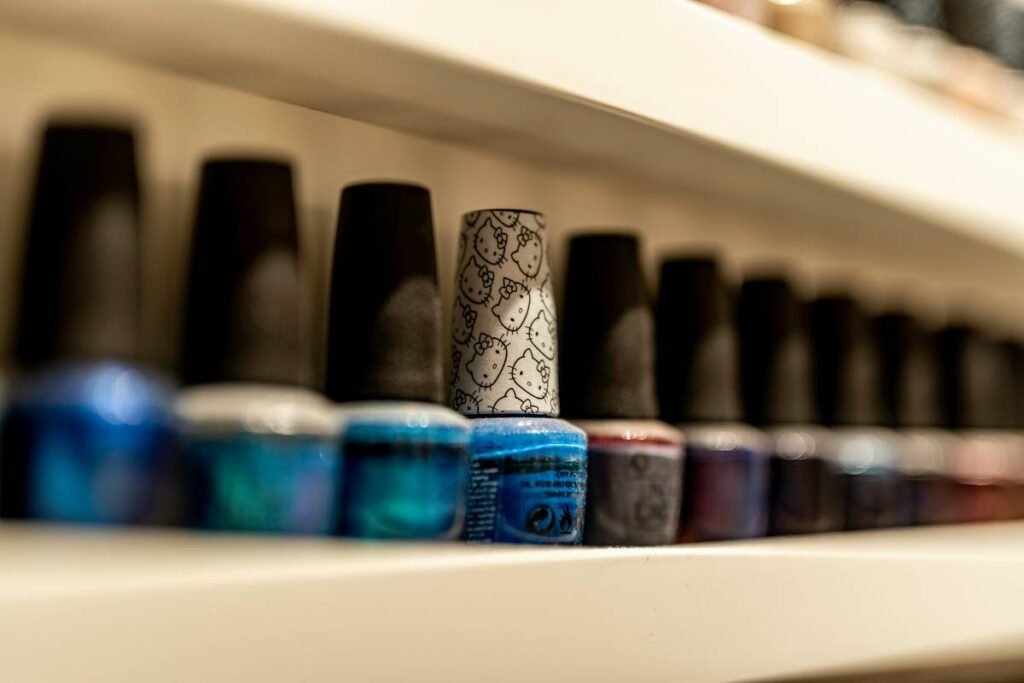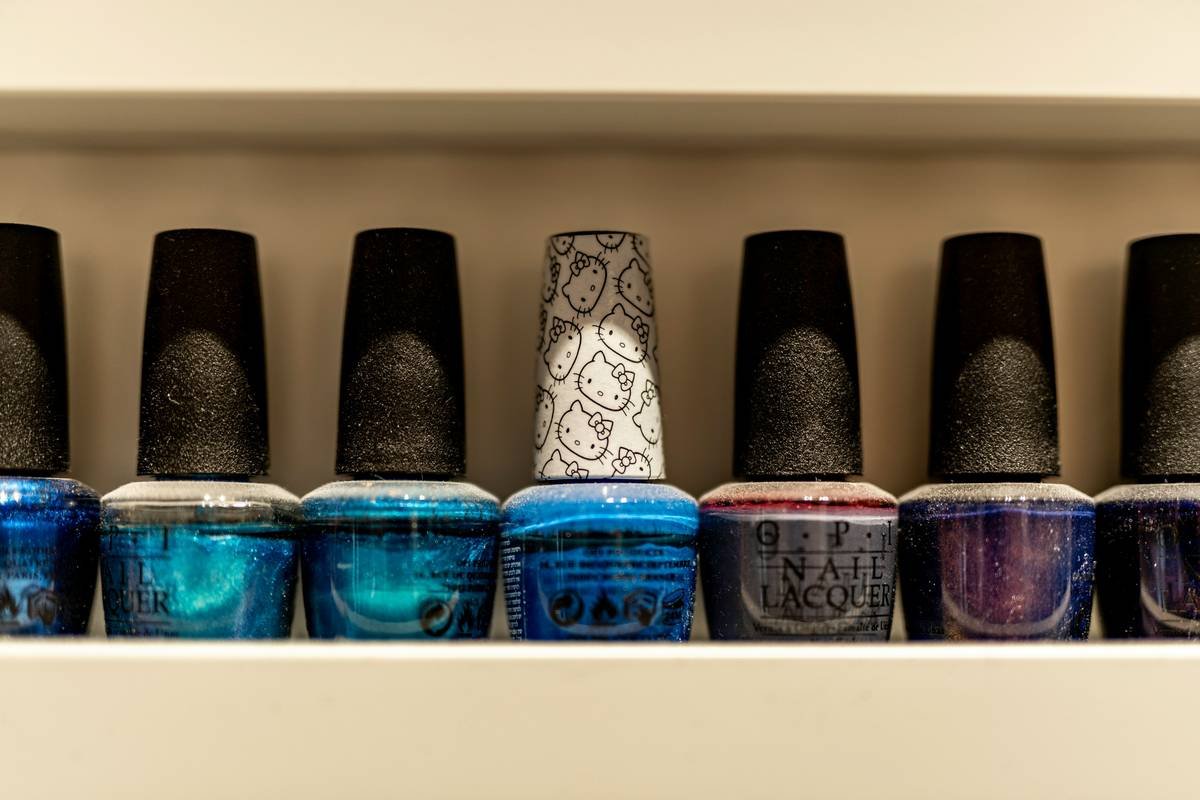
Your nail polish collection is growing. Bottles topple over, lids dry out, and that perfect nude you bought three months ago? Lost in a drawer behind expired cuticle oil and a broken nail file. Chaos isn’t cute—and it’s costing you money. But there’s a simple, elegant fix that pros use but rarely talk about: a true manicure storage solution designed for real life, not Instagram aesthetics.
The Core Problem: Why Your “Organized” Drawer Is Actually Sabotaging You
Most people shove bottles upright in drawers or stack them haphazardly on vanities. It seems fine—until you knock one over. Oxygen creeps in through micro-gaps in dried-out caps. Pigments separate. Viscosity turns sludgy.
And storing polish upright? That’s the enemy of longevity. The brush dries first, creating a crust that ruins application before you even twist the cap off. Think about it: every DIY hack involving mason jars or shoeboxes ignores the physics of evaporation and pigment settling. They look tidy—for about a week.
Manicure Storage Solution: A Step-by-Step Guide That Actually Works
Forget Pinterest-perfect setups that collapse under daily use. Here’s how to build a system that keeps polish fresh, accessible, and drip-free—without spending $200 on acrylic towers.
Store Bottles Upside Down (Yes, Really)
This isn’t a rumor. Upside-down storage submerges the brush in liquid, creating an airtight seal at the neck. No dried bristles. No wasted product. Just smooth, consistent application every time.
Use Modular Trays—Not Fixed Shelves
Rigid shelving forces you into one-size-fits-all thinking. Modular acrylic or silicone trays let you customize compartments for mini polishes, full-size bottles, base coats, and quick-dry top coats. Swap layouts as your collection evolves.
Control Temperature and Light Exposure
Heat and UV light accelerate chemical breakdown. Keep your storage unit away from windows and bathroom steam. A cool, dark cabinet beats a sunlit vanity any day—even if it’s less “aesthetic.”
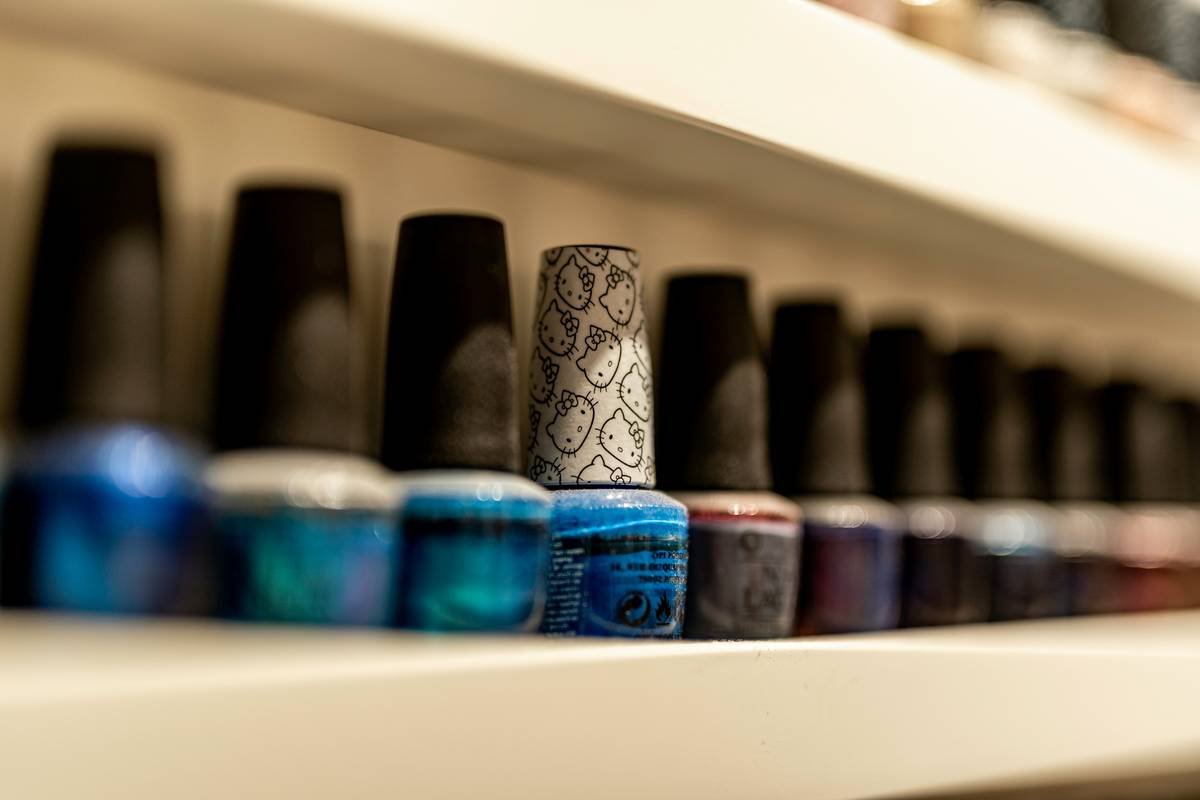
Here’s how common storage methods stack up:
| Method | Freshness Impact | Accessibility | Cost (USD) |
|---|---|---|---|
| Upright in drawer | Poor – brushes dry fast | Low – hard to see labels | $0 |
| Mason jars (vertical) | Fair – some air exposure | Medium – visible but unstable | $5–$15 |
| Acrylic display tower | Good – but only if sealed | High – visually organized | $40–$120 |
| Modular tray + upside-down storage | Excellent – minimal oxidation | High – customizable + labeled | $12–$30 |

The Industry Secret: Pros Rotate Their Polish Like Wine Collections
Here’s something no beauty brand will admit: nail polish has a shelf life—even unopened. But salon techs extend it artificially by rotating stock like sommeliers rotate wine. New arrivals go to the back. Older bottles get used first. And they purge anything over 18 months old, no matter how “precious” it seems.
But—and this is the real secret—they store everything upside down in portable cases during transit. Why? Because movement introduces air bubbles and accelerates separation. Stable, inverted storage = stable chemistry. Most consumers never consider motion as a degradation factor. Yet it’s why your vacation bottle comes home grainy.
FAQ
What’s the best way to store nail polish long-term?
Store bottles upside down in a cool, dark place using modular trays to prevent tipping and maximize airflow control.
Can I store my nail polish in the fridge?
Not recommended. Humidity and temperature swings cause condensation inside bottles, leading to clumping and bacterial growth.
How often should I replace my nail polish?
Generally every 12–18 months. If it smells sour, separates permanently, or applies streaky despite shaking, it’s time to toss it.