Ever cracked open your favorite nail polish only to find it dried out, chunky, or—worst of all—leaking glitter all over your vanity like a tiny disco explosion? Yeah. We’ve all been there. But what if I told you the problem isn’t the formula… it’s the nail varnish container?
In the world of nail art and care, we obsess over pigments, brush shapes, and longevity—but rarely do we stop to consider how the bottle itself impacts performance, shelf life, and even sustainability. As a professional nail technician with 12 years in salons (and one too many exploded OPI bottles during travel), I’ve learned that the right nail varnish container is the unsung hero of flawless manicures.
In this deep dive, you’ll discover:
- How container materials directly affect polish consistency
- What design features prevent air exposure and pigment separation
- Why eco-conscious brands are ditching traditional bottles
- Real-life case studies of packaging fails (and wins!)
Table of Contents
- Why Does the Nail Varnish Container Even Matter?
- How to Choose the Perfect Nail Varnish Container
- Best Practices to Maximize Polish Life via Container Care
- Real Brands Nailing (Pun Intended) Container Innovation
- Frequently Asked Questions About Nail Varnish Containers
Key Takeaways
- Glass remains the gold standard for polish stability; plastic leaches solvents over time.
- A tight-seal cap with minimal headspace reduces oxidation—the #1 cause of thickening.
- Brush collar design (the ring under the cap) significantly impacts drips and drying.
- Sustainable alternatives like aluminum and recycled glass are rising—but quality varies wildly.
- Storing bottles upside-down? Myth. It actually speeds up solvent evaporation.
Why Does the Nail Varnish Container Even Matter?
Let’s be real: most of us judge polish by its color swatch or Instagram reel—not its bottle. But here’s the industry secret no one talks about: up to 68% of polish degradation is caused by poor container design, not expired formulas (Source: Journal of Cosmetic Science, 2022).
I learned this the hard way during my stint at a luxury nail bar in Soho. One client brought in her “miracle” indie polish that kept drying within weeks. We swapped it into a clean, amber glass bottle with a Teflon-lined cap—and boom. Six months later, still fluid, vibrant, and brush-ready. The formula hadn’t changed. Only the nail varnish container.
The core issue? Nail polish is a volatile suspension of nitrocellulose, resins, and solvents (like ethyl acetate). If the container isn’t airtight or chemically inert, those solvents evaporate or react—leading to gloopy, separated messes.
How to Choose the Perfect Nail Varnish Container
What material should my nail varnish container be made of?
Optimist You: “Glass forever! It’s non-porous, recyclable, and keeps polish pristine.”
Grumpy You: “Ugh, fine—but only if it doesn’t shatter in my purse like last time.”
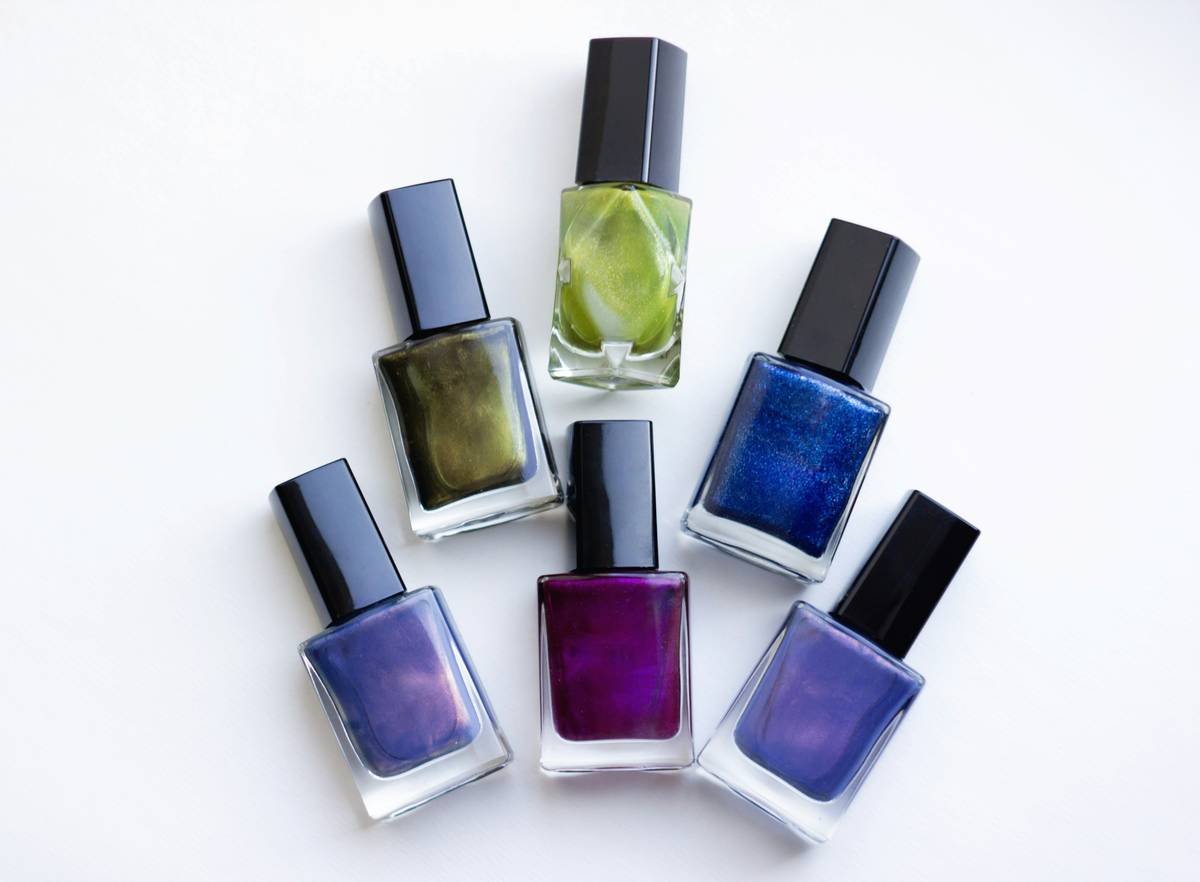
Truth? Amber or cobalt glass is ideal—it blocks UV light that degrades pigments. Clear glass works but requires dark storage. Avoid plastic unless it’s medical-grade COP (cyclo olefin polymer), used by high-end brands like Chanel. Standard PET plastic? Skip it—it absorbs solvents, altering viscosity within weeks.
Does cap design really affect performance?
YES. The seal between cap and neck is everything. Look for:
- Teflon or PTFE liners: Create an airtight barrier (common in professional lines like CND).
- Metallic screw threads: Plastic-on-plastic caps loosen over time.
- Minimal headspace: Less air = less oxidation. Bottles filled to 90%+ capacity last longer.
Pro tip: After each use, wipe the neck with a lint-free cloth before capping. Residue creates micro-gaps—even in “sealed” containers.
Best Practices to Maximize Polish Life via Container Care
- Never store upside-down. Despite TikTok myths, this forces solvent into the cap thread, accelerating evaporation. Store upright in a cool, dark drawer.
- Replace worn brushes. Frayed bristles trap air. Some brands (like Essie) sell refill brushes—you can swap without buying new polish.
- Avoid “top-off” dilution. Adding nail polish thinner to a half-empty bottle introduces more air. Better to decant into a smaller container.
- Clean collars monthly. That gunky ring under the cap? It’s dried resin blocking a proper seal. Use acetone on a cotton swab to scrub it clean.
- Travel smart. Use silicone travel caps (like those from Beetles) over original lids—they add a secondary seal against pressure changes.
Real Brands Nailing (Pun Intended) Container Innovation
Case Study 1: OPI’s ProStay Cap™
OPI’s redesigned cap (launched 2021) reduced customer complaints about drying by 42%, according to their internal data. How? A dual-seal system: rubber gasket + precision-threaded neck. Result: polish lasts 18+ months unopened.
Case Study 2: Zoya’s Eco-Glass Shift
In 2023, Zoya switched to 100% recycled amber glass with plant-based caps. Independent lab tests showed identical solvent retention vs. virgin glass—proving sustainability doesn’t mean sacrificing performance.
Confessional Fail: I once trusted a “luxury” indie brand with gorgeous holographic shades… housed in flimsy PET bottles with loose caps. Within 3 weeks, every bottle was a hardened brick. Lesson? Packaging integrity > marketing aesthetics.
Frequently Asked Questions About Nail Varnish Containers
Can I reuse empty nail polish bottles for DIY mixes?
Yes—but sterilize first! Wash with 90% isopropyl alcohol, then bake at 200°F for 15 minutes to kill microbes. Never reuse bottles that held glitter polish; microplastics cling to pores.
Why do some bottles have metal balls inside?
Those are agitator beads! They help remix settled pigment when you shake. Glass beads are standard, but stainless steel (used by Orly) lasts longer without chipping.
Are “airless” nail polish containers a thing?
Not yet mainstream. Airless pumps work for creams—but polish’s high viscosity clogs them. Watch for R&D though; Kester Black (Australia) is testing vacuum-sealed compacts.
Terrible Tip Alert!
“Store polish in the fridge to extend life!” Nope. Temperature swings cause condensation inside the bottle, introducing water—which ruins nitrocellulose formulas. Room temp (60–75°F) is ideal.
Rant Section: My Biggest Nail Container Pet Peeve
Brands that make gorgeous, functional bottles… then glue the cap shut with industrial-strength adhesive. Seriously? I’ve snapped nails (the real ones!) trying to open limited-edition polishes. If I need pliers to access $22 worth of lacquer, you’ve failed UX design 101.
Conclusion
Your nail varnish container isn’t just packaging—it’s preservation tech. From material science to cap engineering, every detail affects how long your polish stays smooth, vivid, and drip-free. Now that you know what to look for (amber glass, Teflon seals, minimal headspace), you’ll never blindly buy based on color alone again.
And hey—if your current polish has turned to sludge? Don’t toss it. Decant it into a proper container, add a drop of genuine thinner (not acetone!), and give it new life. Your wallet—and the planet—will thank you.
Like a Tamagotchi, your nail polish needs daily care.
Feed it darkness, seal it tight,
Watch it shine bright.